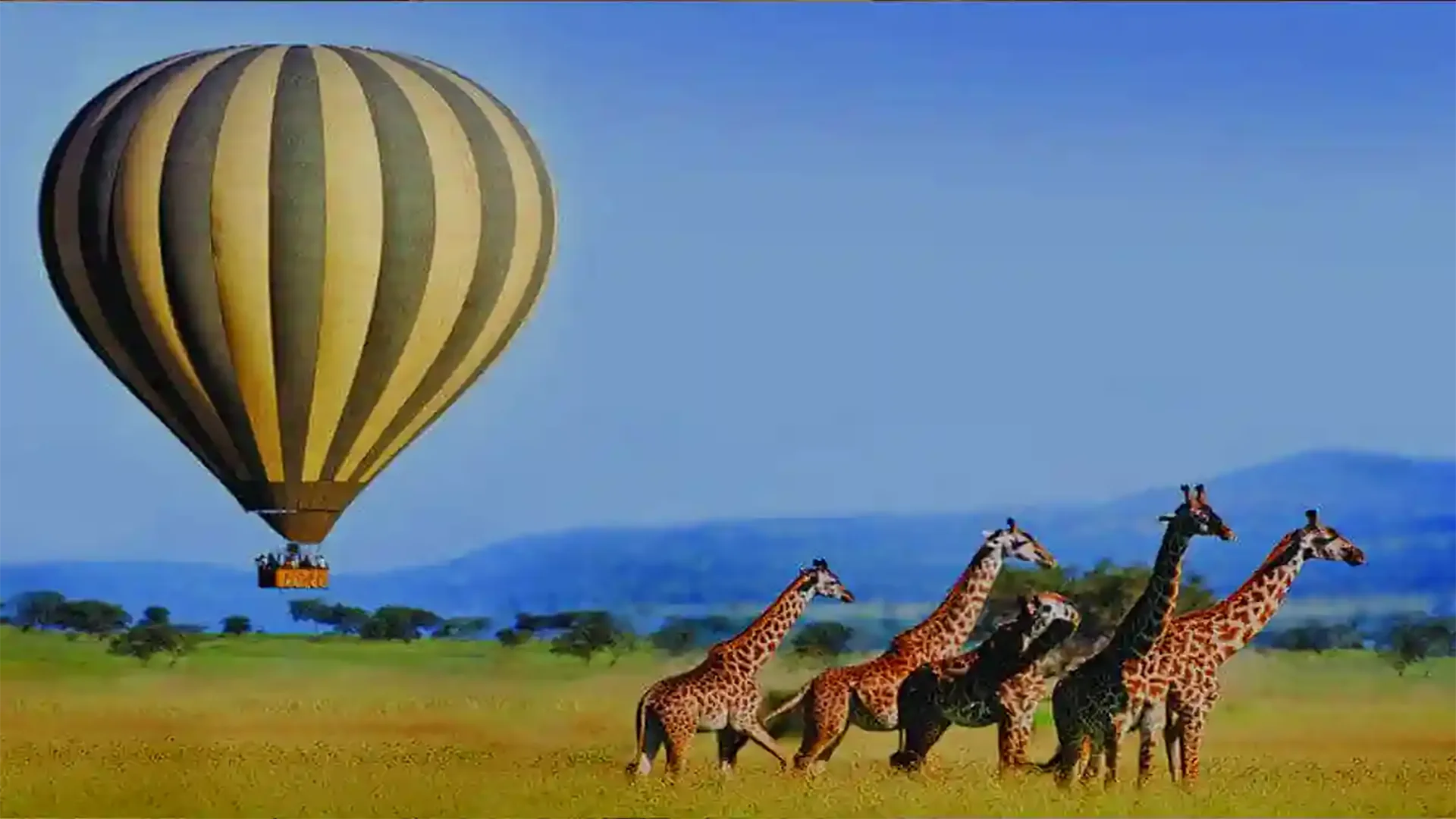
Ngorongoro Crater Safari

The World's Largest Intact Caldera • 25,000+ Resident Animals • Black Rhino Sanctuary • 600m Volcanic Walls

Caldera Floor
260 km² • 600m Deep Walls
Black Rhinos
East Africa's Top Stronghold
Wildlife Density
25,000+ Large Mammals
Game Viewing
World-Class 365 Giorni a Year
Geological Wonder

Africa's Eden: An Ancient Volcanic Sanctuary

Two to three million years ago, a colossal volcano towering higher than Mount Kilimanjaro erupted and collapsed inward upon itself, creating the largest unbroken, unflooded caldera on planet Earth. Today, Ngorongoro Crater is a self-contained natural amphitheater covering 260 square kilometers, enclosed by sheer 600-meter-high volcanic walls.

Because water and fertile volcanic grasslands are available all year, over 25,000 large mammals reside permanently within the crater bowl. It features the highest predator density in Africa, with large prides of black-maned lions, spotted hyena clans, and elusive leopards lurking in the fever-tree forests.

Crucially, Ngorongoro is Tanzania's premier sanctuary for the critically endangered Eastern Black Rhino, offering visitors one of the best chances on the continent to complete their I Big Five checklist in a single morning.

Olduvai Gorge: The Cradle of Humankind

Within the wider Ngorongoro Conservation Area lies Olduvai Gorge, where Dr. Louis and Mary Leakey unearthed the fossil remains of early hominids dating back nearly 2 million years, and the nearby 3.6-million-year-old Laetoli footprints.
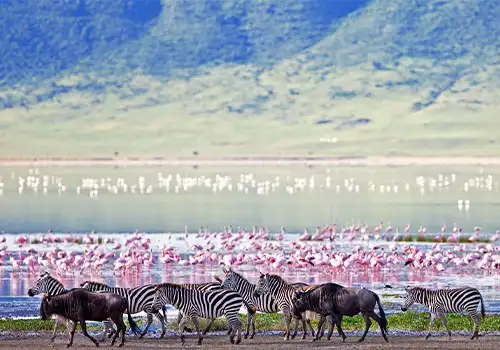
Ngorongoro Crater Floor Safari View
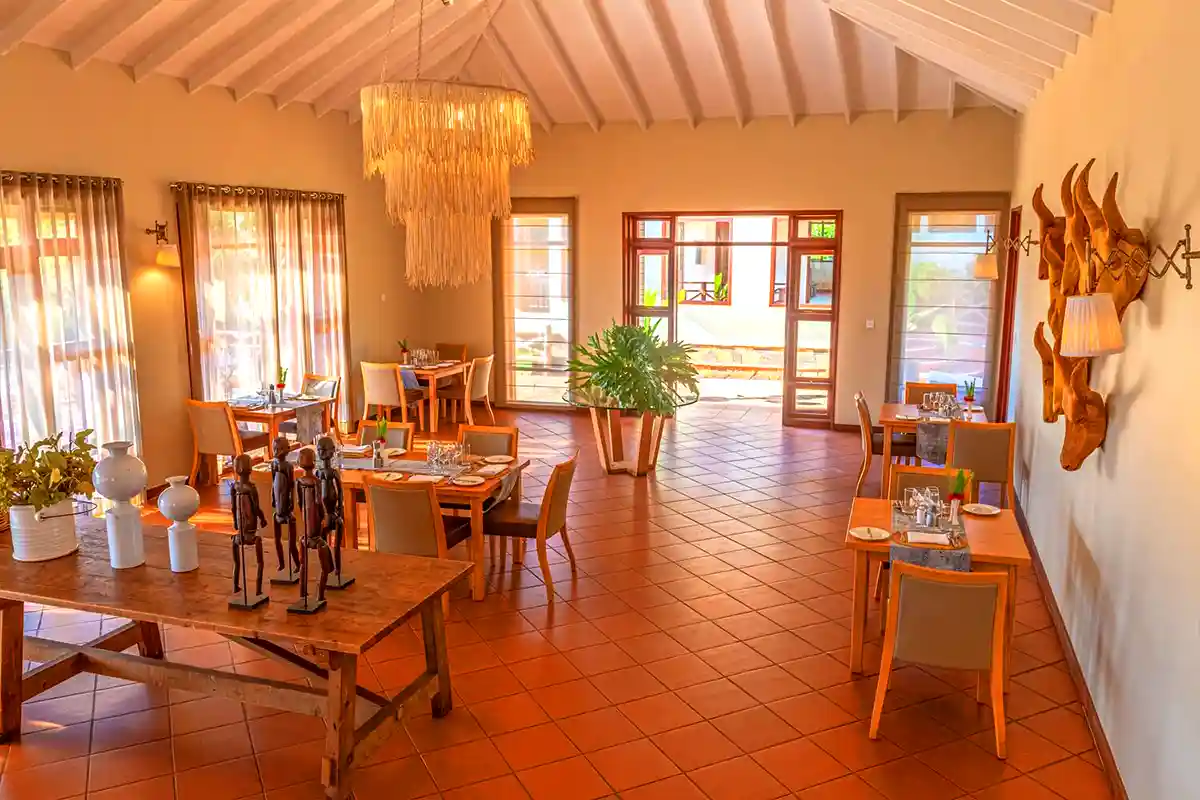
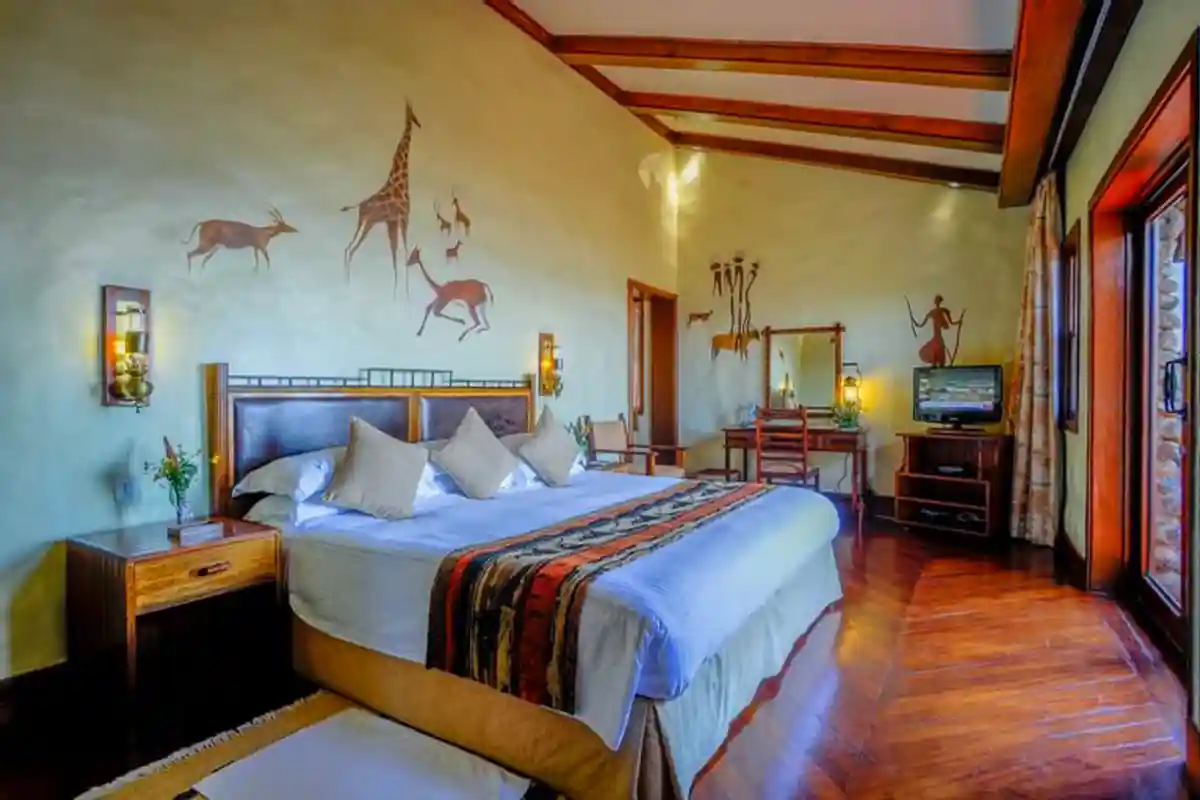
Ngorongoro Serena Safari Lodge
Acacia Lodge Karatu
Ecosystem Diversity

The Four Distinct Micro-Habitats of Ngorongoro

Within a single 6-hour game drive, you transition through four vastly different ecosystems inside the caldera.

1. Lerai Yellow Fever-Tree Forest

Rhino & Tusker Haven

A dramatic woodland of yellow-barked acacia trees (Acacia xanthophloea) fed by natural underground spring seepage. This forest provides crucial shade and forage for endangered black rhinos, legendary giant tusker elephants, vervet monkeys, bushbucks, and tree-climbing leopards.

Wildlife Focus:

Black rhinos browsing on acacia shrubs, old bull elephants with massive ivory tusks, and elusive leopards resting in forest branches.

  • Key Feature: Yellow fever tree canopy, shade springs
  • Photo Tip: Early morning dappled light filtering through the yellow branches.

2. Lake Magadi Alkaline Soda Lake

Flamingo Sanctuary

Located in the southwestern quadrant of the caldera, Lake Magadi is a shallow soda lake rich in sodium carbonate. The mineral-rich water produces spirulina algae, attracting tens of thousands of lesser and greater flamingos, pink-backed pelicans, black-winged stilts, and avocets.

Wildlife Focus:

Shimmering pink flamingo flocks, jackals stalking shorelines, and golden jackals hunting wading water birds.

  • Key Feature: Pink flamingo shores, salt pans
  • Photo Tip: Reflection of the 600m caldera walls shimmering across the alkaline water.

3. Central Savannah Grasslands

Herbivore Heartland

Sweeping open plains covering the majority of the crater floor. Supported by nutrient-dense volcanic soil, these short and medium grasslands feed thousands of resident blue wildebeest, Burchell's zebras, grant's gazelles, and elands, flanked by territorial spotted hyena clans and lion prides.

Wildlife Focus:

Intense predator hunts, large herds of wildebeest and zebras grazing peacefully, and hyena clan communal dens.

  • Key Feature: Wide open 360-degree game viewing
  • Photo Tip: Black-maned lions resting on open grassy hillocks.

4. Ngoitokitok Springs & Gorigor Swamp

Freshwater Oasis

A crystal-clear freshwater spring bubbling up to form a large hippo pool and lush marshland. The designated picnic site allows travelers to enjoy lunch while watching dozens of hippos wallowing and grunting just meters away, while crowned cranes dance in the reeds.

Wildlife Focus:

Hippopotamus pods surfacing, yellow-billed storks, grey crowned cranes, and African fish eagles roosting on reeds.

  • Key Feature: Scenic picnic site, active hippo pool
  • Photo Tip: Hippos yawning and water splashing in golden midday sun.
Beyond the Crater Floor

Highland Treasures of the Ngorongoro Conservation Area

Explore the dramatic volcanic highlands surrounding the main caldera.

Olduvai Gorge & Museum

Visit the 50-kilometer steep-sided ravine where human evolution was rewritten by the discovery of Zinjanthropus and early stone tools. Features an outstanding on-site museum.

Empakaai Crater Hike

A hidden jewel 40 km north of the main crater. Hike down through ancient montane forest to an emerald-green soda lake surrounded by thousands of flamingos.

Authentic Maasai Cultural Bomas

Ngorongoro is a multiple land-use area where indigenous Maasai pastoralists coexist with wildlife. Visit traditional mud bomas to learn about their centuries-old culture and jumping dances.

Pacchetti Safari Ufficiali

Ngorongoro Crater Safari Packages

Complete packages with customized 4x4 Land Cruisers, expert wildlife guides, airport transfers, luxury & midrange tented lodges, and all national park and caldera descent fees included.

4-Day Elephants to Crater Safari 4 Giorni
Più Venduto
4-Day Elephants to Ngorongoro Crater Safari
Tarangire & Crater From $1,350 /pp
Vedi Pacchetto
5-Day Signature Serengeti & Ngorongoro Safari 5 Giorni
#1 Consigliato
5-Day Signature Serengeti & Crater Safari
Circuito Classico Da 1.850 $ /pp
Vedi Pacchetto
4-Day La Grande Migrazione Serengeti & Crater Safari 4 Giorni
Migration & Crater
4-Day Serengeti Migration & Crater Safari
Serengeti & Crater Da 1.450 $ /pp
Vedi Pacchetto
7-Day Discover Northern Tanzania Safari Adventure 7 Giorni
Complete Circuit
7-Day Discover Northern Tanzania Safari
Tarangire, Crater & Serengeti From $2,450 /pp
Vedi Pacchetto
Tailor-Made Safari Planning

Book Your Ngorongoro Crater Safari

Combine Ngorongoro Crater with Serengeti, Tarangire, and Lake Manyara for the ultimate Northern Circuit wildlife expedition.

Telefono / WhatsApp: +255 682 801 818 • Email: info@liontracksafaritanzania.com

Aiuto & Consigli

Ngorongoro Crater FAQs

Common questions about exploring Ngorongoro Crater and Conservation Area.

Il Cratere di Ngorongoro è la più vasta caldera vulcanica intatta al mondo (260 km²), formatasi oltre 2 milioni di anni fa. Racchiude un ecosistema completo e autosufficiente con una concentrazione di oltre 25.000 grandi mammiferi.

Sì! Il cratere è uno dei luoghi più sicuri e affidabili di tutta l'Africa orientale per avvistare il raro rinoceronte nero in libertà, con circa 30-40 esemplari che pascolano sui fondali e riposano all'ombra della foresta di Lerai.

Le normative dell'autorità NCAA consentono una permanenza massima di 6 ore per veicolo per ogni permesso di discesa, tempo più che sufficiente per esplorare tutti gli habitat principali vista l'incredibile densità di animali.

I lodge sul bordo del cratere offrono viste panoramiche spettacolari e una discesa rapida in 10 minuti, mentre le strutture di Karatu godono di un clima più mite, splendidi giardini tra le piantagioni di caffè e un ottimo rapporto qualità-prezzo.

Certamente! Le storiche Gole di Olduvai distano solo 45 minuti dal cratere sulla strada per il Serengeti. È inoltre possibile organizzare visite culturali autentiche ai villaggi Maasai sull'altopiano.

Il cratere offre avvistamenti faunistici eccezionali 365 giorni all'anno, poiché la maggior parte degli animali risiede stabilmente sul fondale grazie alla costante presenza di acqua e pascoli freschi.