Tarangire National Park Safari

Herds of 300+ Elephants • Ancient Baobab Forests • Secco-Season Tarangire River Lifeline • 550+ Bird Species

Park Size
2,850 km² (1,100 sq mi)
Baobab Trees
Over 1,000 Years Old
Elephant Herds
Up to 300 per Family Herd
Avian Species
550+ Recorded Species
Majestic Landscapes

The Golden Secco-Season Haven of Northern Tanzania

Covering 2,850 square kilometers along the Great Rift Valley system, Tarangire National Park is celebrated worldwide for its iconic landscape of colossal baobab trees (Adansonia digitata) and Africa's greatest concentration of wild elephants.

The park's lifeblood is the perennial Tarangire River. During the dry season (Luglio to Ottobre), surrounding waterholes across the vast Maasai Steppe completely evaporate, transforming the river into the only permanent water source for hundreds of square miles. Over 250,000 animals migrate into Tarangire, creating one of the most thrilling wildlife spectacles in East Africa.

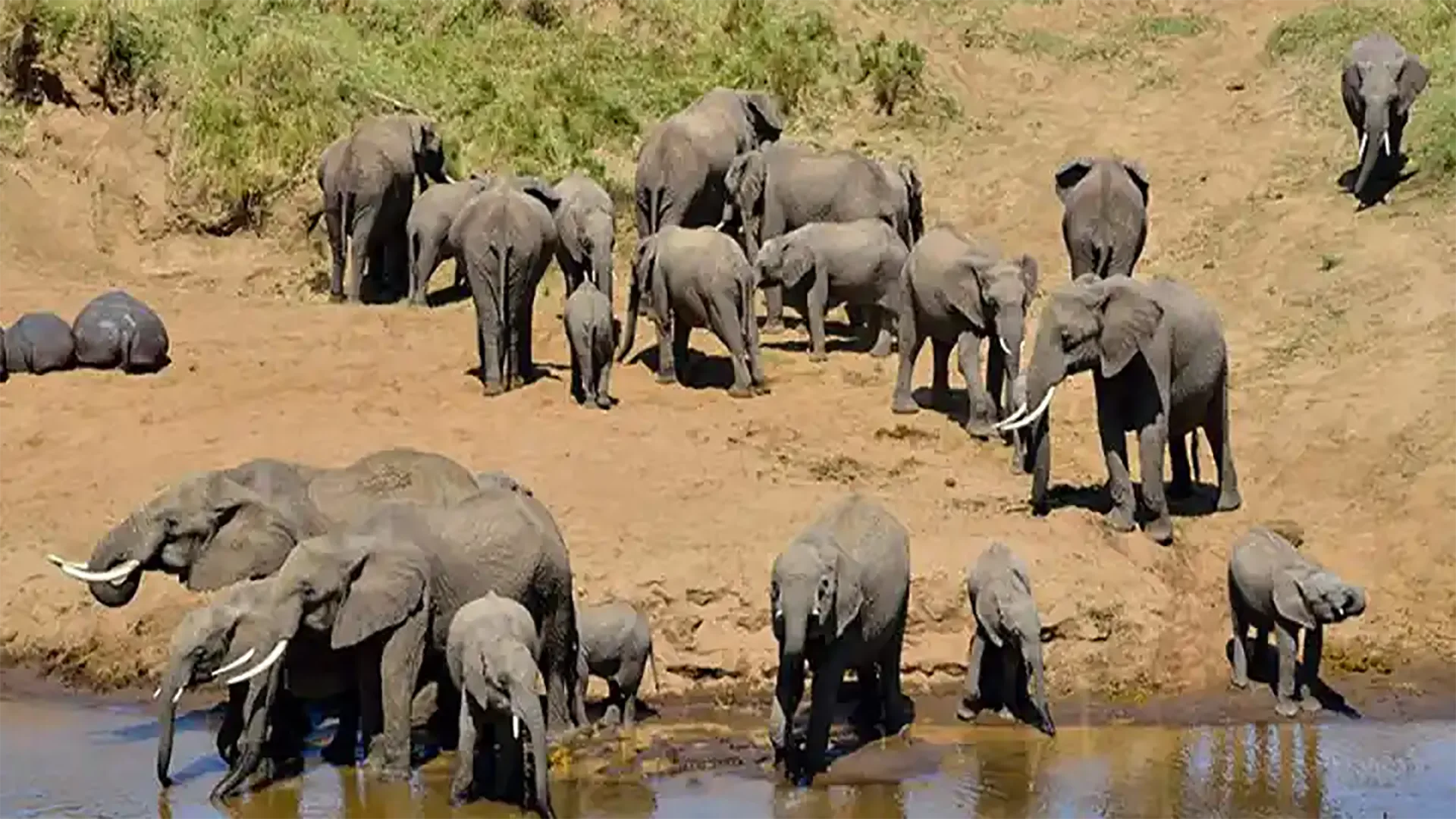
Visitors witness massive elephant family herds digging into the sandy riverbed with their trunks to unearth pure underground spring water, while lions, leopards, and cheetahs monitor the riverbanks for thirsty antelopes.

Tanzania's Ultimate Birding Sanctuary

With over 550 bird species recorded, Tarangire holds the highest avian density per square kilometer in Tanzania, from vibrant yellow-collared lovebirds to red-and-yellow barbets and giant martial eagles.

Tarangire River Valley Elephants and Baobabs
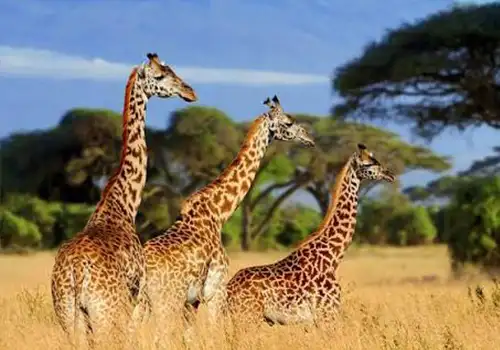
Tarangire Giraffe
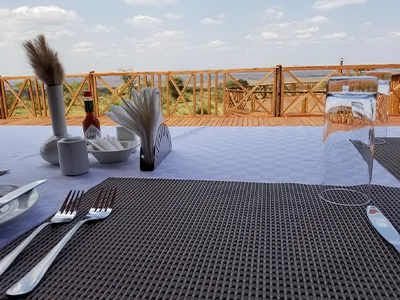
Seriani Tarangire Luxury Camp
Regional Highlights

The Four Core Regions of Tarangire National Park

Discover the diverse habitats that make Tarangire a year-round photographic treasure.

1. The Tarangire River Corridor

Secco-Season Lifeline

The winding riverbed cuts through the center of the park, lined with acacia woodlands and towering fig trees. Between Luglio and Ottobre, thousands of animals gather here daily to drink, bathe, and socialize, creating constant wildlife drama along the water's edge.

Key Sightings:

Elephants excavating sand wells, tree-climbing lions resting in sausage trees, buffalo herds, and waterbucks.

  • Miglior Periodo: Luglio to Ottobre (Peak Gathering)
  • Photo Tip: Reflection of elephants crossing the river during golden sunset hours.

2. The Silale Swamps (The Green Sponge)

30 km² Marsh Oasis

A massive 30-square-kilometer wetland in the south-central sector. Acting like a natural reservoir, it remains emerald green all year. In the dry season, hundreds of elephants graze in the lush reeds, sometimes submerged up to their chests.

Key Sightings:

Swimming elephants, marsh-hunting lion prides, African rock pythons in tree canopies, and wattled storks.

  • Miglior Periodo: Agosto to Novembre
  • Photo Tip: Elephants silhouetted against lush green reed beds and clear blue skies.

3. Lemiyon & Northern Baobab Groves

Baobab Forest

The northern entry sector features the densest concentration of colossal baobab trees in East Africa. Some specimens exceed 1,000 years of age with trunk circumferences of over 20 meters, serving as nesting sites for red-billed hornbills and raptors.

Key Sightings:

Vast baobab forests, leopard perches in ancient tree hollows, and breeding elephant nursery herds.

  • Miglior Periodo: Year-Round
  • Photo Tip: Dramatic wide-angle shots framing wildlife beneath giant baobab branches.

4. Gursi & Southern Wilderness Plains

Remote Bush

A remote, untouched wilderness sector rarely visited by standard tours. Characterized by dry acacia scrub and open seasonal floodplains, it is the premier habitat for rare dry-country species like the long-necked gerenuk and fringe-eared oryx.

Key Sightings:

Fringe-eared oryx, long-necked gerenuk, lesser kudu, African wild dogs, and exclusive walking safaris.

  • Miglior Periodo: Luglio to Dicembre
  • Photo Tip: Gerenuks standing upright on their hind legs to feed on high acacia shoots.
Pacchetti Safari Ufficiali

Tarangire National Park Safari Packages

Pacchetti completi con Land Cruiser 4x4 privato, guida esperta, trasferimenti aeroportuali, alloggi di qualità e tutti gli ingressi ai parchi inclusi.

4-Day Elephants to Crater Safari 4 Giorni
Più Venduto
4-Day Elephants to Ngorongoro Crater Safari
Tarangire & Crater From $1,350 /pp
Vedi Pacchetto
4-Day Northern Tanzania Safari 4 Giorni
#1 Consigliato
4-Day Northern Tanzania Highlights Safari
Tarangire, Manyara & Crater From $1,420 /pp
Vedi Pacchetto
4-Day Cheap Wildebeest Migration Safari 4 Giorni
Migration & Tarangire
4-Day Tarangire & Migration Safari
Tarangire, Serengeti & Crater From $1,250 /pp
Vedi Pacchetto
7-Day Discover Northern Tanzania Safari Adventure 7 Giorni
Complete Circuit
7-Day Discover Northern Tanzania Safari
Tarangire, Crater & Serengeti From $2,450 /pp
Vedi Pacchetto
Tailor-Made Safari Planning

Book Your Tarangire Safari Adventure

Let our destination specialists create a customized itinerary combining Tarangire with Ngorongoro and the Serengeti.

Telefono / WhatsApp: +255 682 801 818 • Email: info@liontracksafaritanzania.com

Aiuto & Consigli

Tarangire Safari FAQs

Answers to frequent questions about visiting Tarangire National Park.

È soprannominato la Terra dei Giganti per la compresenza dei maestosi elefanti africani (spesso in branchi fino a 300 individui) e degli imponenti alberi di baobab secolari che dominano il paesaggio.

Il picco si verifica tra luglio e ottobre durante la stagione secca, quando migliaia di elefanti, zebre, gnu e gazzelle convergono verso le acque perenni del fiume Tarangire.

Le paludi di Silale fungono da spugna ecologica gigante nel cuore del parco, attirando enormi famiglie di elefanti che si nutrono di erbe fresche, oltre a leoni, leopardi e pitoni giganti.

Il parco ospita oltre 550 specie di uccelli censite, rendendolo uno dei paradisi per il birdwatching più rinomati dell'Africa, con buceri, storni splendenti, aquile marziali e fringuelli endemici.

Sì, anche nel Tarangire i leoni hanno sviluppato l'abitudine di salire sui grandi rami orizzontali dei baobab e delle acacie per riposare all'ombra e sfuggire alle mosche tze-tze.

Dista circa 120 km a sud-ovest di Arusha, percorribili comodamente in circa 2 ore su strada asfaltata panoramica attraverso la steppa Maasai.